Premium WordPress Templates vs Free Themes: Which Is Worth It?
The question comes up in almost every WordPress project: install a free theme from the official repository, or invest in a premium template? The honest answer is: it depends on what you need, but there are contexts where the wrong choice costs more than the price of the template.
This article compares the two options across seven relevant dimensions, with real examples of when each makes sense.
What a Free Theme Is vs a Premium Template
The official WordPress repository at wordpress.org has more than 11,000 free themes, all subject to code review by the WordPress team. They are functional and safe, but built to work in general contexts, without a focus on specific use cases.
Premium templates are sold on marketplaces such as ThemeForest, Elegant Themes or directly by design studios. They typically cost between €30 and €80 and come with documentation, email support and updates.
I also offer custom WordPress development for specific niches, a third way between the generic theme and a fully custom site, with design and configuration made to measure for your business.
1. Design and Professional Appearance
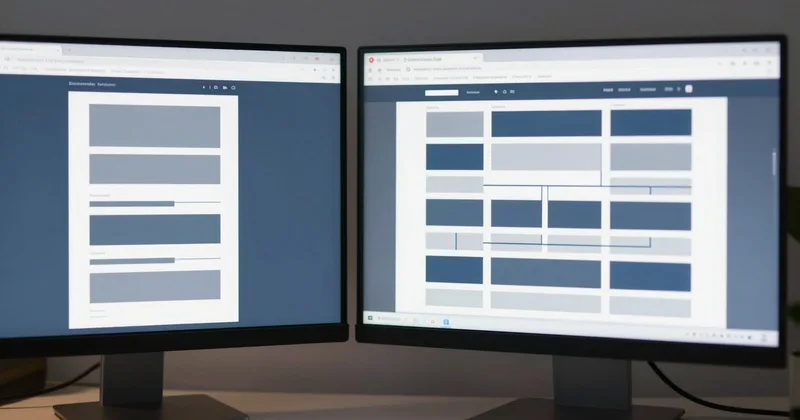
Free themes: the design is functional but generic. By customising colours and typography in the Customizer you can improve the look, but the result rarely feels unique.
Premium templates: usually built by professional designers with attention to typography, spacing and visual hierarchy. They include multiple layout variations and complete demos that install in minutes.
Advantage: Premium, especially for businesses where the first impression is critical (portfolios, online shops, professional services).
2. Performance and Speed
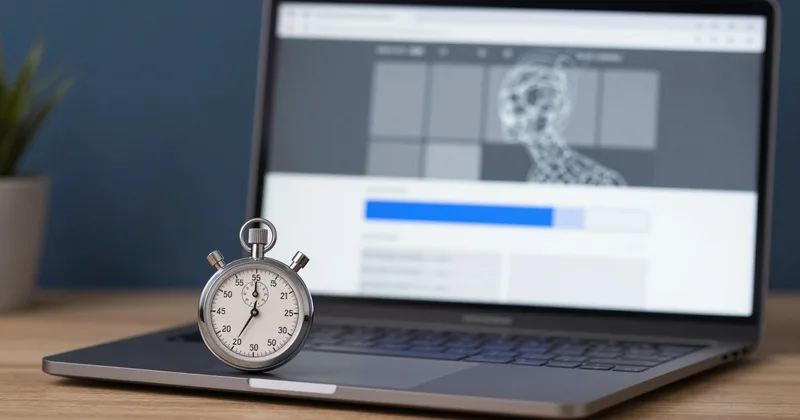
This is the most misunderstood factor in the decision. Many premium templates are built with heavy page builders (Elementor, WPBakery, Divi) that load dozens of unnecessary CSS and JavaScript files. The result: sites with Lighthouse scores below 50.
On the other hand, well-built free themes such as Astra, GeneratePress or Kadence are notoriously light. Astra, for example, loads in under 0.5 seconds with a basic setup.
Advantage: It depends on the implementation. A light free theme beats a bloated premium template. The best premium options (Astra Pro, GeneratePress Premium) are also the lightest.
3. SEO
The theme itself has limited impact on SEO. The main factors are the content, the plugins (Yoast SEO, Rank Math) and speed. However, badly structured themes that generate unnecessary HTML or have incorrect heading hierarchies can harm crawling.
Free themes from the official repository go through code review and are generally well structured. Premium templates from marketplaces such as ThemeForest vary in quality: some are excellent, others are a pile of legacy code.
Advantage: Neutral, as long as the theme is well built (checkable with Lighthouse). There is no inherent difference between free and paid on this factor.
4. Support and Updates
Free themes are supported by the community: WordPress forums, Stack Overflow, YouTube tutorials. Support is passive: you look for the answer, you do not get direct help.
Premium templates include email or chat support from the studio or developer. On ThemeForest, standard support is 6 months included and can be extended for a fee. Support quality varies a lot between sellers.
Popular free themes (Astra, Neve, Kadence) have extensive documentation and active communities that amount to quality support.
Advantage: Premium for business projects where mistakes have a cost. Free is enough if the theme is popular and well documented.
5. Specific Features
For sites with specific needs, such as restaurants with menus, estate agents with listings or lawyers with practice areas, premium templates for those niches include components designed specifically for the use case.
Replicating those features with a generic free theme takes more plugins and more configuration work. The total cost (time + extra plugins) can exceed the price of the specialised premium template.
Advantage: Premium for specific niches. For generic company or portfolio sites, the difference is smaller.
6. Security
Free themes from the official repository are reviewed by WordPress before publication and updated regularly. They are a safe option as long as they are kept up to date.
Premium templates from unverified sources ("nulled", meaning pirated versions of paid themes) are a serious risk: they often contain malware or backdoors. Never install premium themes from unofficial sources.
Templates from recognised marketplaces (ThemeForest, Elegant Themes) are safe, but keeping the theme updated is the user's responsibility.
Advantage: Free (official repository) for those who prioritise security without active management. Premium from verified sources is equally safe.
7. Total Cost
The upfront cost of a free theme is zero. But there are hidden costs:
- Extra plugins for features a premium template would include
- Configuration time to reach the visual result you want
- Limitations that lead to a redesign sooner than necessary
A €60 premium template that lasts 4 years and includes the necessary features costs €15 a year, likely less than the additional plugins a free theme would need.
Cost conclusion: the free theme is cheaper in the short term. The premium template can be more economical in the long term, depending on the use case.
Recommendations by Context
- Personal blog or experimental project: free theme (Astra, Kadence)
- Service business site: a premium niche template, or a free theme + professional customisation
- Online shop: WooCommerce with a specialised theme (Flatsome, Astra Pro with WooCommerce)
- Creative portfolio: a premium template with portfolio demos
- Site with unique requirements: custom development, since neither a free theme nor a premium template delivers the right result
The third way, WordPress built specifically for your business, with configuration, design and plugins chosen by hand, is what I offer in my web development services. For projects that demand even more performance and control, custom HTML/CSS/JS sites are built from scratch with no dependence on themes. See examples in the portfolio and get in touch to discuss the best approach for your project.
Want to know how your website is doing?
Ask for a free review: within 48 hours you get an analysis of your website and of what shows up on Google for your service.